Germany Wants to Tax Your Fritz-Kola
The federal government is considering a levy on sugary drinks – less as a health measure and more as a way to stabilise the budget.
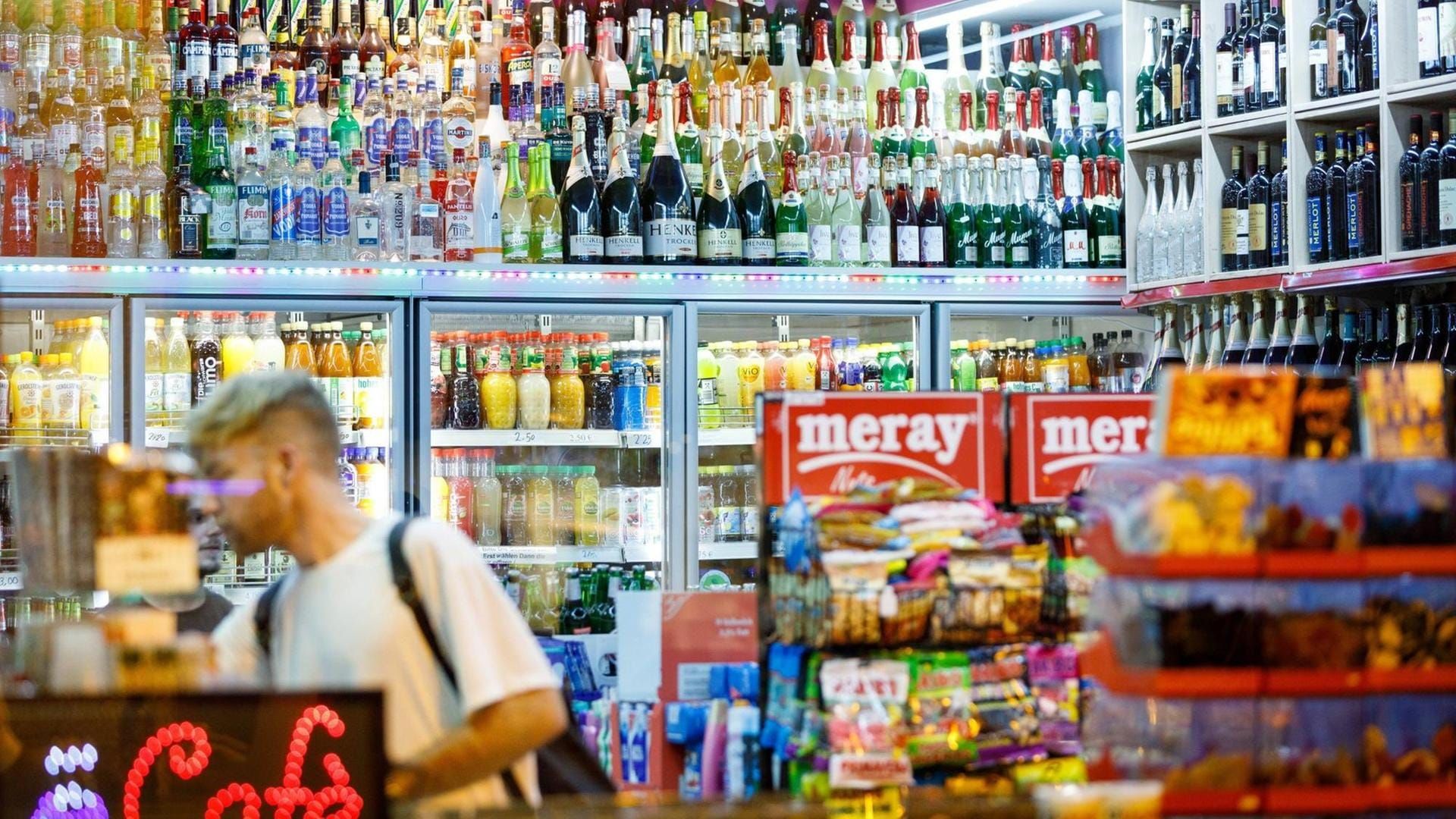
As part of a broader push to consolidate the budget, the federal government is now considering the introduction of a sugar tax, a levy on sweetened drinks and products. The proposal sits alongside plans to raise taxes on alcohol and tobacco, and forms part of a wider effort to close growing financial gaps.
The idea itself is not new. For years, public health experts have called for a tax on sugary drinks, arguing that Germany’s consumption levels are too high and that voluntary commitments from the food industry to reduce sugar have had limited effect. But the concept appears to be picking up steam as lawmakers finalise the federal budget for 2027 this week.
A sugar levy would not only bring in money, but could also be framed as a behavioural nudge, encouraging both producers and consumers to cut back.
For Jens Spahn, head of the CDU/CSU parliamentary group, the focus is straightforward: “Highly sweetened drinks are particularly fattening for children and young people.” Other countries, including the UK, have already introduced similar taxes, often prompting manufacturers to reduce sugar content.
This time, however, the motivation appears less about public health than about revenue. According to a report by Tagesspiegel, the government is under pressure to stabilise its finances, and consumption taxes are one of the more straightforward tools available. A sugar levy would not only bring in money, but could also be framed as a behavioural nudge, encouraging both producers and consumers to cut back.
Politically, the proposal may prove more complicated. Previous attempts to introduce a sugar tax have stalled, particularly amid resistance from more market-oriented factions. Whether the current budget pressures are enough to push it through remains to be seen.